Key Takeaways
- Google AI Overviews now appear in more than 60% of US searches and reach 2 billion monthly users globally, making them the default search experience for the majority of patient queries.
- Click-through rates on traditional organic results drop significantly when an AI Overview is present, meaning your Google rankings matter less than whether the AI cites your clinic directly.
- Health and aesthetic queries trigger AI Overviews at disproportionately high rates, making med spas one of the most affected local business categories.
- Google AI Overviews draw from the same structural signals as ChatGPT and Perplexity, so clinics optimizing for one platform gain ground on all of them simultaneously.
- Organic traffic is being redistributed from websites to AI citations. The clinics earning those citations now are compounding an advantage that grows every month.
What Google AI Overviews Are Doing to Search Visibility
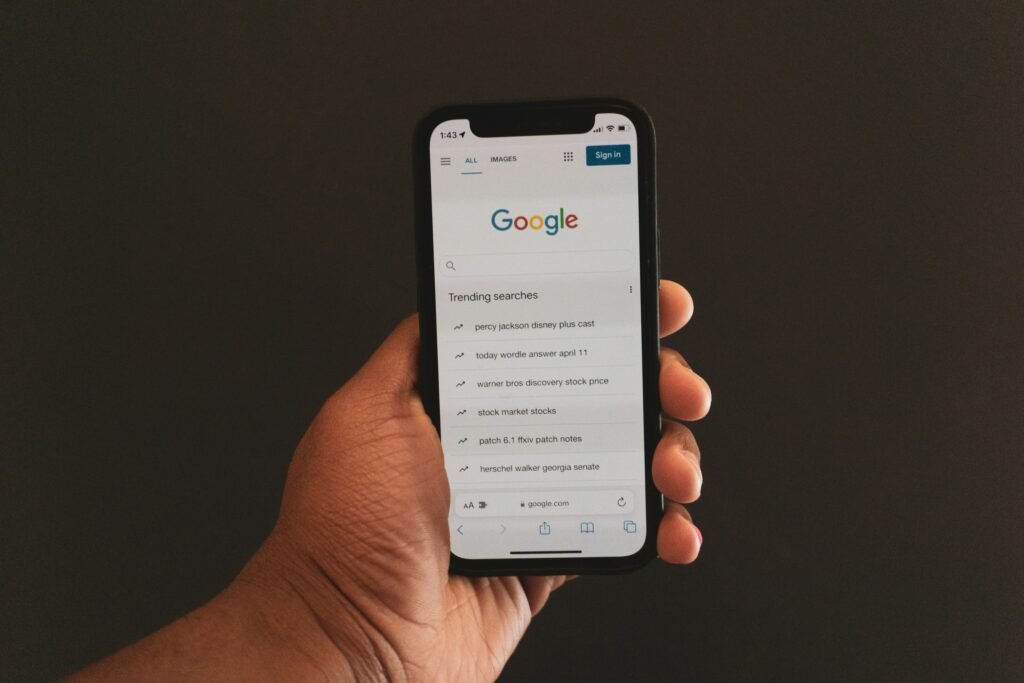
When a patient searches “best Botox clinic near me” on Google today, the first thing they see is not a list of websites. It is a paragraph. Google’s AI has already read multiple sources, synthesized an answer, and placed it at the top of the page before any organic result, any map listing, or any ad. The patient reads the answer, gets a recommendation, and often stops there.
This is Google AI Overviews, and it is no longer a test feature. AI Overviews now appear in more than 60% of US searches, reaching 2 billion monthly users globally. For med spas, whose patients are asking exactly the kind of health and local intent questions that trigger AI responses most often, this shift is not a future concern. It is the current state of patient acquisition.
The clinics that understand how AI Overviews work and build their content to be cited by them are gaining a form of visibility that no ad budget can replicate. The clinics that ignore it are watching their traditional SEO investment produce less return every month as AI intercepts more of the queries they used to own.
60%+
of US searches now trigger a Google AI Overview, reaching 2 billion monthly users globally. For health and aesthetic queries, the trigger rate is even higher, making AI Overviews the primary layer of patient research for most treatment-related searches.
Why Med Spas Are Hit Harder Than Most Businesses
Not every industry is equally affected by AI Overviews. Businesses that sell commodities or compete purely on price may see less disruption. Med spas are not in that category.
Aesthetic treatment searches are research-heavy, personal, and health-adjacent. Patients want to understand the procedure, evaluate the provider, and feel confident before they ever make contact. Those are exactly the kinds of multi-part questions that AI Overviews are built to answer. Queries like “how many units of Botox do I need,” “what is the recovery for lip filler,” and “is microneedling safe for sensitive skin” generate AI Overviews at rates well above the search average.
The result is that the research journey for a new aesthetic patient now runs almost entirely through AI-generated content before they ever visit a clinic website. Your Google ranking only matters if the AI decides to cite you. If it does not, you are effectively invisible during the most important stage of the patient decision process.
The question is no longer whether your clinic ranks on Google. The question is whether Google’s AI cites your clinic in the answer it generates before anyone ever sees the rankings.
There is also a compounding effect working against clinics that do not adapt. Every month a competitor earns AI citations and you do not, their authority signal grows stronger. AI systems weight sources that have been cited before. The clinics building AI visibility now are not just winning today’s patients. They are making themselves progressively harder to displace as the market matures.
How Google AI Overviews Decide Which Clinics to Cite
Google AI Overviews use the same retrieval-augmented generation system that powers ChatGPT and Perplexity. The AI reads multiple live sources simultaneously, extracts the most relevant and credible content, and synthesizes a single answer. The sources it draws from are selected based on three criteria: structural clarity, external authority, and content specificity.
Structural clarity means the AI can extract a clean, factual answer from your page without ambiguity. Service pages written around brand language rather than patient questions fail this test. External authority means your clinic is validated by sources Google already trusts: Google Reviews, RealSelf, Healthgrades, and local press. Content specificity means your pages answer the exact questions patients ask, with enough detail to be extracted and cited as a standalone response.
Run a five-query test right now. Open Google and search your top five treatment queries for your market. Note whether an AI Overview appears and, if so, which clinics and sources it cites. If a competitor is being cited and you are not, their content is structurally clearer to the AI than yours. That gap is specific, diagnosable, and closeable.
The good news is that the optimization signals Google AI Overviews reward are the same ones that improve your visibility in ChatGPT, Perplexity, and Microsoft Copilot. Schema markup, answer-first service pages, FAQ content, and external citations are not platform-specific strategies. They are foundational AI visibility infrastructure that lifts your standing across every AI search platform simultaneously.
2026 analysis of AI Overview citation patterns confirms that pages with structured data and FAQ schema are cited at measurably higher rates than equivalent pages without it. This is not a marginal difference. It is the primary structural variable separating clinics that appear in AI Overviews from those that do not.
A free AI visibility audit shows you which queries are generating AI Overviews in your market, which clinics are being cited instead of yours, and exactly what needs to change. It takes 30 minutes and gives you a clear, prioritized action plan. Already know you have a gap? Use our ROI Calculator to see what closing it is worth in monthly patient bookings.
What Your Med Spa Needs to Do Right Now
The work required to earn Google AI Overview citations falls into the same three layers that drive visibility across all AI search platforms.
The first is technical readiness: schema markup that tells Google’s AI exactly what your clinic does, an llms.txt file that guides AI crawlers to your most relevant content, and a site structure that is easy to parse and index. The second is content authority: service pages rewritten to answer specific patient questions rather than describe your brand, FAQ sections for every treatment you offer, and treatment guides that demonstrate genuine clinical expertise. The third is external validation: Google review volume and recency, verified profiles on RealSelf and Healthgrades, and citations from local press or health publications.
Most med spas have gaps in all three layers. Understanding how the work is structured and where your specific gaps are is what turns this from an overwhelming shift into a clear competitive opportunity. Use our ROI Calculator to see what earning those AI Overview citations is worth to your clinic, then take the first step with a free AI visibility audit.
Frequently Asked Questions
Do Google AI Overviews replace traditional search results?
AI Overviews do not replace traditional results. They appear above them. Organic rankings, map listings, and paid ads still exist on the page, but they appear below an AI-generated answer that most users read and act on first. The traditional results function as supporting citations for the AI answer, not as independent destinations. Being ranked on Google still matters, but being cited by the AI that sits above those rankings matters more.
Will my clinic get less website traffic because of AI Overviews?
Yes, and this is already happening. When an AI Overview is present on a results page, click-through rates on the organic results below it drop substantially because many users get the answer they need from the AI summary without clicking further. Clinics that are not cited in the AI Overview but rank below it are experiencing this traffic redistribution right now. The solution is not to fight the trend but to earn the citation that keeps your clinic visible at the top of the answer.
How do I check if my clinic is showing up in Google AI Overviews?
The fastest method is a manual audit. Open Google and search your top five treatment queries for your market, such as ‘Botox clinic in your city’ or ‘lip filler near me your city.’ Note whether an AI Overview appears for each query and whether your clinic is named or cited within it. If AI Overviews are appearing but your clinic is not in them, that is your baseline. If they are not appearing yet for your queries, that window will not stay open long.
Can a smaller med spa compete for AI Overview citations against larger clinics?
Yes. Google AI Overviews do not automatically favor the largest or most established clinic. They favor the most clearly structured and externally validated source in a given market. A well-optimized independent practice with strong schema markup, answer-first content, and a healthy Google review profile can earn AI Overview citations that a larger clinic with an outdated website cannot. The playing field in AI search is more merit-based than traditional SEO, not less.
Is optimizing for AI Overviews different from traditional Google SEO?
The fundamentals overlap significantly, but the emphasis shifts. Traditional Google SEO prioritizes backlink volume, keyword density, and domain authority. AI Overview optimization prioritizes structural clarity, answer-first content, schema markup, and external validation signals. A clinic that has done solid traditional SEO has a foundation to build on, but most of the specific changes required for AI visibility are different from what brought them their current rankings. The good news is that the two approaches are complementary. Optimizing for AI Overviews strengthens your traditional rankings, not the reverse.
Google AI Overviews are not changing how search works. They have already changed it. The shift from ranking to citation is complete for the majority of patient queries, and the clinics earning those citations are generating discovery and bookings that no ranking below the AI answer can match. The window to build this advantage ahead of your competitors is open right now. It will not stay open indefinitely.